
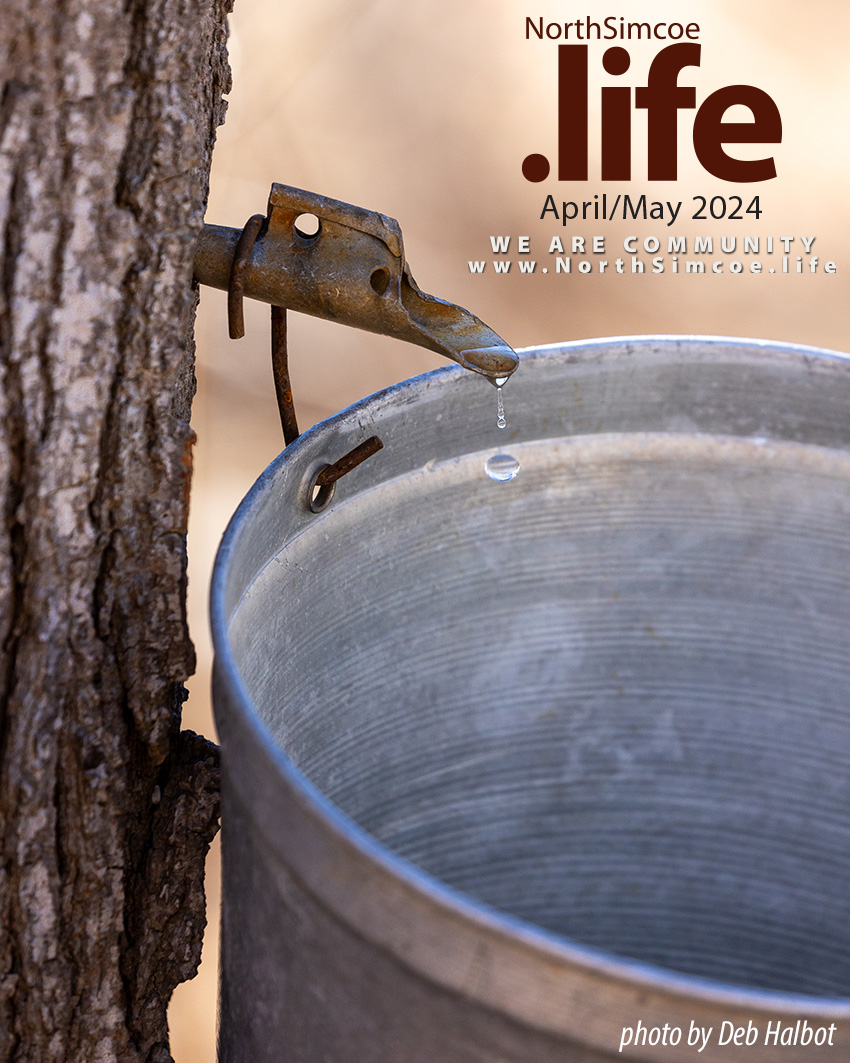
How sweet it is!
Our Springtime issue
is live now. Read it here!
Submissions for our
SUMMERTIME
June/July 2024
AD & COPY DEADLINE: May 20th
DELIVERY DATE: June 3rd
NS Life IS ONLINE ONLY!
Our latest FULL COLOUR issue is here.
Advertise with us! check here for ad rates.
Advertising and content deadline for our next edition is May 20.
To make sure you don’t miss an issue subscribe to our reminder list!

Stolen Identity
The Medicine Walk Imagine waking up one morning to learn that someone has assumed your identity. When that happens, you will find that it will leave you bewildered and questioning what kind of person would do such a thing. Your thoughts will be in complete disarray....

Millennial Perspectives
I hope everyone is having a relatively restful start to 2023. January can be difficult for many as we face a long winter and the holidays fade. It might be a good time to check in with friends and make plans together, even if it’s just for a wintertime walk or a tea....
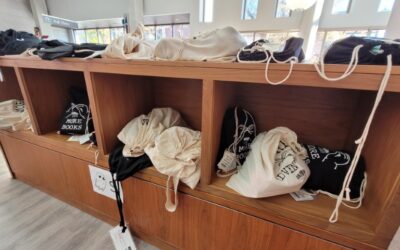
Library Adventure Kits
The Toddler Tourist: Exploring Hidden Gems in Your Own Backyard
Winter has many perks. We do love the outdoor time. We love to skate, sled, create with snow, and do all the things. But sometimes we can’t get outdoors…

Coulson Past and Present: Jan Wheeler
On any given day, Coulson resident Jan Wheeler can be found working in her barn. She is not using a farmer’s implements, though. She’s using the tools of an artist. Jan is an established landscape painter, working with oils on canvas, whose work has been exhibited in...
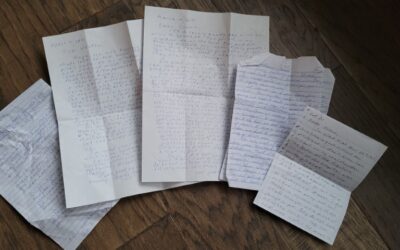
The Lost Art of Penpalship
I have always enjoyed writing letters. Maybe it’s a love of writing, in general. Diaries as a kid, postcards to friends from camp, passing notes in history class or putting notes in my friends’ lockers; all ways to express myself and show others that I care. When the...

Hope and Healing
I caught a glimpse of a cousin of mine last week as I was driving past them in a quiet little town in Simcoe County. I knew instantly who they were just by their walk. When you know someone, you know everything about them. Including their walk.
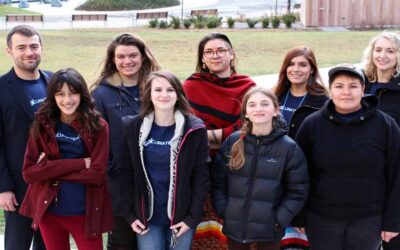
The Power of Youth Voices in the Face of Climate Emergency
Lately I have been thinking about the role of youth in advocacy and action for the climate crisis. It is gravely concerning to me the disproportionate effect that climate change will have on young people whose futures will be profoundly affected.

Baby Brain
There is a time in some people’s lives when everything changes. Everything feels different and everything looks different. The road of pregnancy can be such a gift, but also a huge adjustment period. Having been pregnant and given birth twice I understand how long...

Ask Risha
I have big dreams.
There is so much I want to accomplish, and I have my sights set high.
It feels like, despite my best efforts, it is not happening fast enough. I’m impatient.
Any advice? —M.T.

What is freedom to you?
As I write this, women in Iran are throwing their hijabs in to bonfires. These widespread protests began when 22-year-old Mahsa Amini died while in the custody of Iran’s so-called “morality police”. They had taken her in to custody for allegedly breaking hijab rules.